

Frustrated seeing potential customers browse your site only to leave without making a purchase? You’re not alone. Many e-retailers overlook the heart of the problem: the eCommerce product discovery journey. When customers can’t effortlessly find what they’re looking for, it frustrates them. In the digital world, even small friction leads to lost sales. This is why improving product discoverability should be a priority for any store that wants to turn browsing into buying.
If you want to improve eCommerce product discovery, focus on the full customer journey — from search and filters to category browsing, product data quality, and site speed.
Today, 40% of consumers say they’d spend more if their shopping experience felt personalized. Mastering your eCommerce product discovery is no longer just nice to have—it’s a core driver of conversion and retention.
Now, imagine an online store where AI doesn’t just suggest products but anticipates needs, making shopping feel personalized and attentive. In this article, we’ll delve into proven eCommerce product discovery practices to boost your sales and revenue. From a seamless mobile shopping experience to the rising use of visual searches and more.
By the end of this guide, you’ll know what to fix first, which improvements drive the biggest impact, and how to measure progress with product discovery KPIs.
Quick note: Product discovery isn’t just “search.” It’s a system that combines navigation, recommendations, merchandising, product data quality, and performance — all working together to help customers find the right products faster.
In this guide, you’ll learn how to improve product discoverability step by step, what to fix first, and which metrics prove your discovery experience is actually getting better.
What Is eCommerce Product Discovery
eCommerce product discovery is how shoppers find and evaluate products on your website. It includes on-site search, category browsing, filters and facets, sorting, product recommendations, merchandising rules, and even product content quality. A strong discovery experience reduces “dead ends” (zero results, irrelevant listings, endless scrolling) and helps customers reach a confident choice faster. It also depends heavily on product taxonomy and attributes — because filters, sorting, and search relevance are only as good as your product data.
How to Measure eCommerce Product Discovery
Before you start changing search, filters, or recommendations, you need a clear way to measure whether product discovery is actually improving.
Product discovery isn’t “better” because it looks modern — it’s better when shoppers find relevant products faster, interact with listings more, and convert more often.
Here are the key KPIs that show real progress:
- Zero-result search rate — how often users search and get no results
- Search exit rate — how many visitors leave the site after using search
- Search refinement rate — how often shoppers need to re-search or adjust filters to get relevant results
- Search CTR (click-through rate) — how many people click a product after searching
- Add-to-cart rate from search — whether search results lead to purchase intent
- PLP conversion rate (category pages) — how well browsing pages support discovery and decisions
- Time-to-product — how quickly shoppers reach a relevant product page
If these metrics improve, your product discovery experience is doing its job — and conversion and revenue usually follow.
Tip: Start by identifying your biggest discovery bottleneck (search relevance, filters, product data, or mobile speed). Then improve one area at a time and measure the impact.
8 Proven Strategies To Improve eCommerce Product Discovery
Product discovery affects everything from conversion rate to cart abandonment. Here are 8 practical strategies you can apply right away. Each practice below directly improves discoverability, reduces friction, and increases conversion — especially for stores with large catalogs.
1. Improve Product Discovery With Advanced Site Search
When a user lands on your site, the search bar often becomes their compass, guiding them through the vast ocean of products. Make sure this compass is as intuitive, fast, and accurate as possible. This is one of the most effective ways to improve online product discovery for both new and returning visitors.
1.1. Filters & Facets
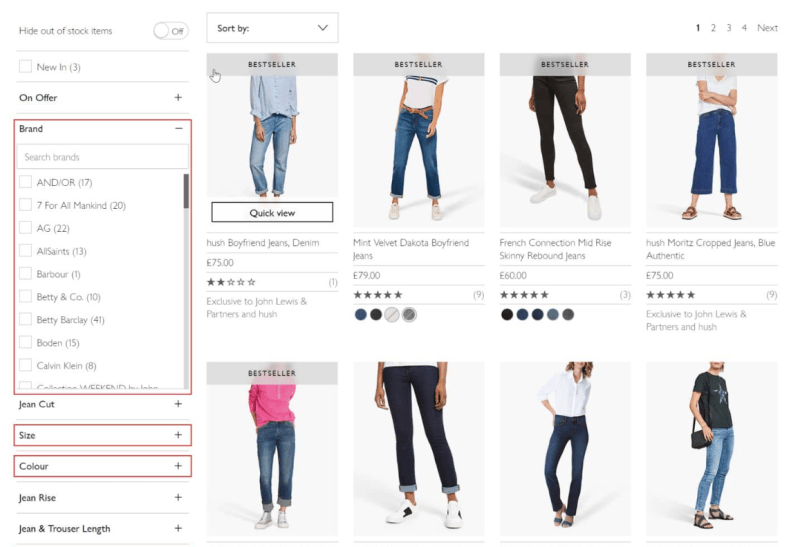
The modern online shopper craves control. Add layers of filters, customizable to each product type. This lets users craft their browsing experience for a faster purchase decision. Empower them to tailor their shopping experience by sorting products by size, color, brand, or price. This shortens the customer journey. It also helps improve product discoverability by narrowing large catalogs into relevant, easy-to-scan results.
1.2. Auto-complete & Auto-suggest
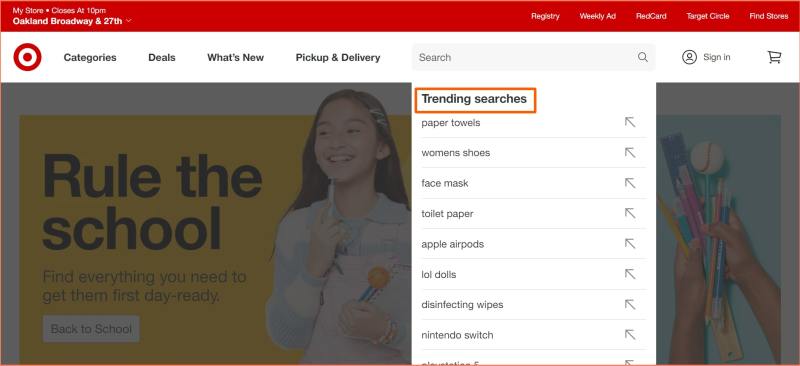
Predictive search features nudge users to products even if they’re not sure of the full name or spelling. It helps users find the right product even with typos or incomplete queries.
Beyond basic product recommendations, autocomplete will hint at trending products, most-searched items, or even seasonal offers, making the search dynamic and adaptive. For example, as winter approaches, typing “swea…” could suggest “sweaters for winter 2026.”
1.3. Fuzzy Search
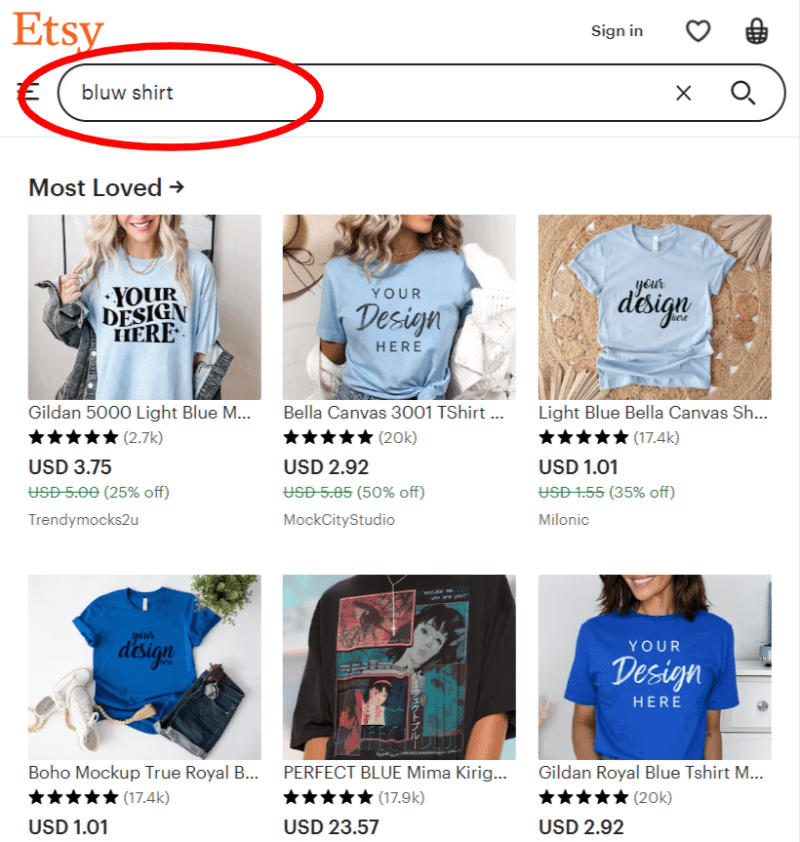
Imperfections happen. Whether it’s “sneekers” instead of “sneakers” or “bluw shirt” instead of “blue shirt,” your search should be forgiving, offering results close to potential typos or phonetic entries.
1.4. Synonyms & Zero-Result Search Fixes
One of the fastest ways to improve eCommerce product discovery is reducing zero-result searches. Add synonym mapping so shoppers can find products even when they use different words.
Examples: “hoodie” → “sweatshirt”, “sneakers” → “trainers”, “sofa” → “couch”.
Also, when search returns no results, show a smart fallback: bestsellers, related categories, and a “Did you mean…” suggestion instead of an empty page. This is often called zero-results search handling — and it’s one of the highest-impact discovery fixes for large catalogs.
Pro tip: To improve product discovery faster, track your on-site search performance. Focus on key metrics like zero-result searches, search refinement rate, search exit rate, add-to-cart rate from search, and CTR on recommendations.
1.5. Search Merchandising
To improve eCommerce product discovery, don’t treat search results as something that should be fully automatic. Even the best search engine can surface irrelevant items if your catalog is large or your products are too similar. This is where search merchandising helps: it lets you influence the results to match real customer intent and business priorities. For example, you can boost bestsellers, promote seasonal collections, prioritize in-stock items, or push products with better ratings and faster delivery to the top. You can also demote out-of-stock listings or low-performing SKUs so shoppers don’t waste time clicking on dead ends. Done right, search merchandising makes discovery feel effortless — customers see relevant products earlier, make decisions faster, and convert more often.
2. Use AI Recommendations for Personalized Product Discovery
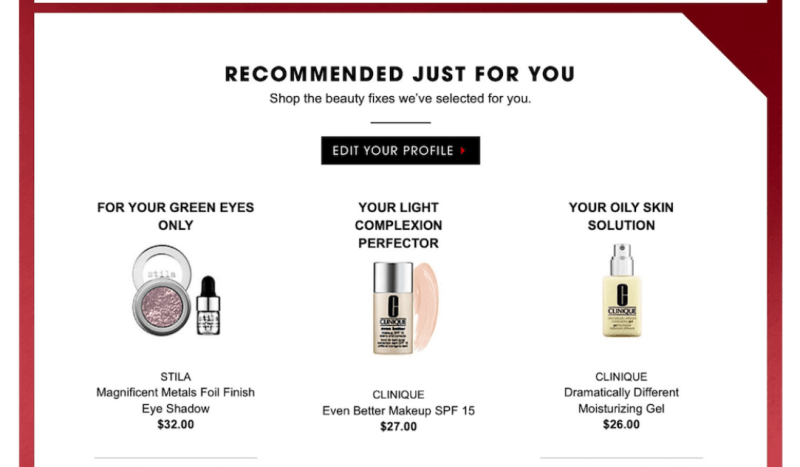
AI-driven recommendations are a powerful way to improve eCommerce conversion rate by showing customers what they want before they even search for it. This is the foundation of personalized product discovery at scale. AI and machine learning analyze vast amounts of data in real time. AI can showcase products that align with individual preferences by tracking user behaviors, past purchases, and browsing habits. This promotes specific products that resonate with each unique shopper.
Common recommendation blocks include Frequently Bought Together, Similar Items, Recently Viewed, and Trending Products — each supports product discovery at different stages of the journey.
Integrating advanced features such as intuitive search and AI-driven recommendations can significantly enhance the product discovery process on your eCommerce platform. For fashion stores, discovery becomes even stronger when search and recommendations work together with size guidance, color matching, and “complete the look” suggestions. This personalized shopping experience not only engages users but also reduces the likelihood of abandoning carts.
AI recommendations improve product discovery by surfacing relevant items based on behavior signals like clicks, views, cart events, and purchase history. Use them across key touchpoints: home page, category pages, product pages, and cart. The most effective blocks include Similar Products, Frequently Bought Together, Recently Viewed, and Trending Items — helping shoppers discover more without extra searching.
3. Enhance Visual Search Capabilities
Humans are inherently visual creatures. Offer visual search features to cater to this instinct. Users will snap a photo of something they like, and a visual search will show similar items from your inventory. Visual search uses image recognition to match patterns like color, shape, and texture and return similar products.
Pinterest’s visual search tool, for instance, lets users find items or products by just uploading an image – a powerful tool, for fashion, interior design, and beauty industries.
Similarly, ASOS, a fashion marketplace, introduced visual search technology on its app, allowing users to upload photos so it’s easier for users to find that dress they saw on Instagram or a magazine. This can significantly improve product discovery.
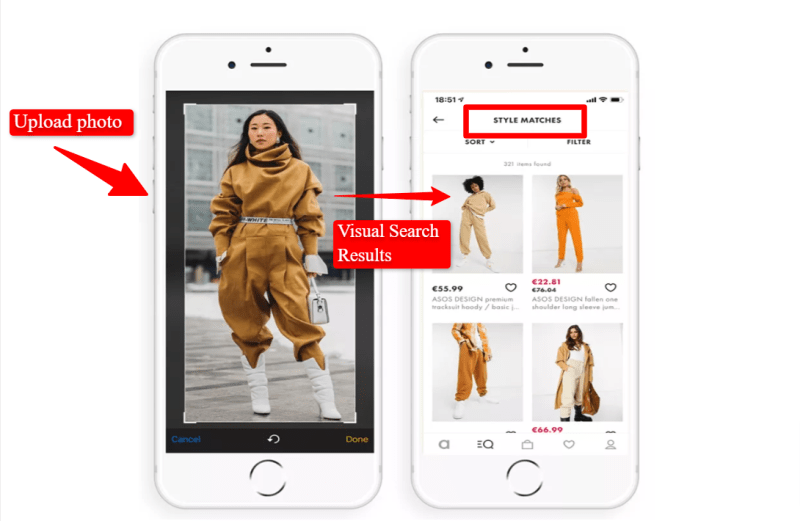
Let’s have a look at how visual search is revolutionizing the eCommerce industry:
- Intuitive Searching: Not everyone can describe what they’re looking for using precise terms. Visual search bypasses this by letting users search with images, aligning with the adage “a picture is worth a thousand words.”
- Staying Ahead Of The Curve: With giants like Pinterest and Google integrating visual search, it’s evident that the eCommerce landscape is shifting towards this trend. Adopt it to stay competitive.
- Accurate Results: Text-based searches can sometimes yield irrelevant results because of semantic misunderstandings. Visual search, based on distinct image attributes, often gives more accurate and relevant search results.
- Connects Offline To Online: Saw something you liked in a physical store but want to buy it online? Snap a photo, and visual search can bridge the gap between offline items and their online counterparts.
4. Optimize Product Descriptions & Images
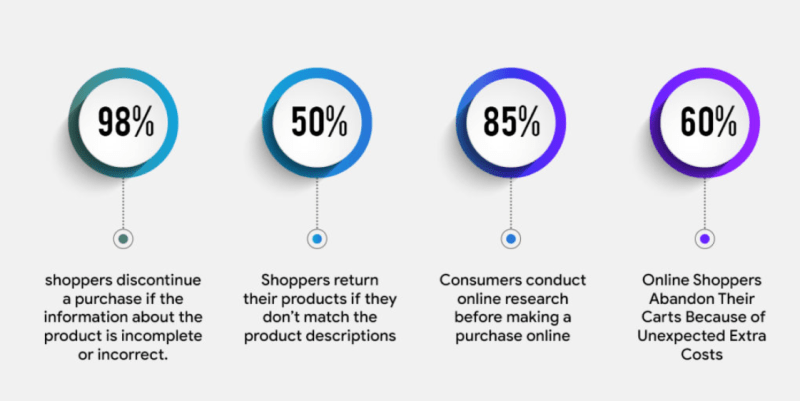
Clear, concise, and compelling product descriptions drive sales. Pair that with high-resolution images from multiple angles, and you’re boosting your eCommerce product visibility. Pay attention to both textual and visual content to improve customer satisfaction, search engine rankings, and sales conversion rate. Here’s how to go about it:
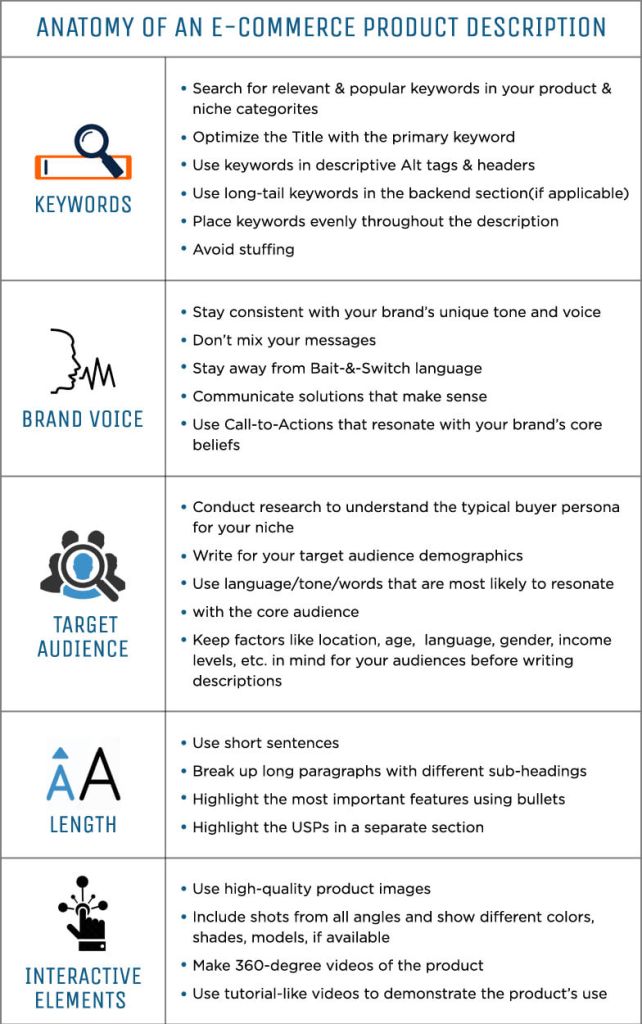
4.1. Keyword Integration
Helps in improving SEO rankings, making your products more visible on search engines. Research relevant keywords that potential customers might use to find your product. Make sure to incorporate these naturally into the product description, title, meta description, and URL.
4.2. Clear, Concise Content
Shoppers rarely read product pages word by word — they scan. Keep your descriptions short, structured, and easy to skim. Use a consistent format with a quick overview, key benefits, essential specs, and bullet points. This improves product discovery because customers can understand what the product is and why it matters within seconds.
4.3. Benefit-Driven Descriptions
Customers want to know how a product will solve their problems or meet their needs. Instead of just listing product features in descriptions, explain how those features benefit the user.
4.4. Use A Consistent Tone & Style
It keeps the brand consistent and helps in building trust. Develop a style guide and make sure all product descriptions adhere to it.
Similarly, optimize your product images in 5 simple steps:
- Incorporate descriptive product tags for SEO benefits and accessibility.
- Use high-quality, compressed images for clarity and faster loading times.
- Display products in real-world scenarios to help users visualize their use.
- Provide multiple shots from different angles and implement a zoom feature.
- Use clear and consistent thumbnails for better presentation in search results.
5. Foster Social Proof
Customers trust their peers, so display real reviews and ratings to build credibility and trust. For example, Amazon’s robust review system shows the power of social proof. Authentic reviews, both positive and negative, give potential buyers a genuine insight into the product. Here are the 5 most proven ways to cultivate and leverage this form of validation:
5.1. Encourage Customer Reviews Post-Purchase
After a customer makes a purchase, prompt them to leave a review. Do this via follow-up emails, SMS, or even through in-app notifications if you have a mobile application.
Set up automated emails to be sent a few days after product delivery, giving customers enough time to use and form an opinion on the product.
These emails can contain a direct link to the review submission page, making the process hassle-free. Offer incentives, like discounts on future purchases or entry into a giveaway to further boost participation.
5.2. Feature Reviews Prominently On Product Pages
Make reviews and ratings highly visible on product pages. They should be easily accessible to potential buyers as they browse.
Design product pages to showcase a summary of reviews and ratings near the product title or price. Additionally, provide a section below where customers can read detailed reviews and even filter them based on the highest or lowest ratings.
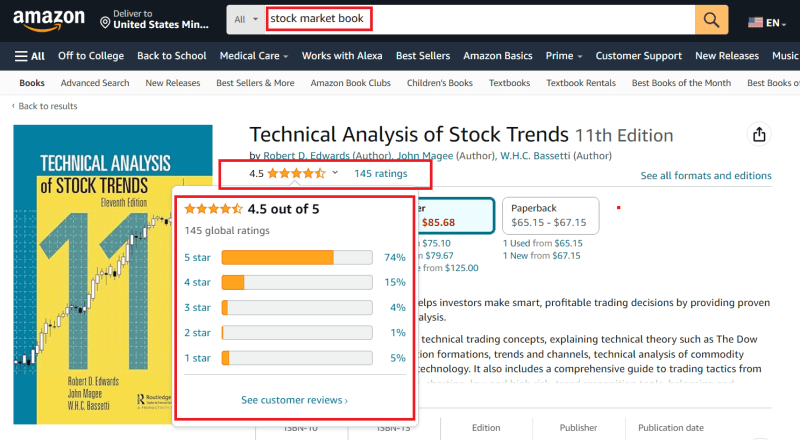
As an example, take a look at the Amazon reviews of a stock market trends book. The drop-down menu feature also shows the respective percentage of star ratings from 5 to 1. Amazon also provides a detailed description of the book’s contents, showcasing what readers can expect, like technical analysis of stock trends, charting, risk management, etc.
Additionally, a sample preview of a few pages is available to access the book’s contents and writing style. These features help users quickly evaluate the product based on quality, reputation, and price.
5.3. Integrate User-Generated Content (UGC)
UGC, like customer photos or videos using the product, adds an extra layer of authenticity to reviews.
Encourage customers to share photos or videos with their reviews. You can integrate Instagram so users can tag your brand in their posts. Using tools like a Facebook widget, Instagram widget, Twitter widget, and TikTok widget, you can seamlessly showcase this UGC on your website. Highlight the best user-generated content on product pages, emails, or even in ad campaigns to build trust and engagement.
Let’s take a look at this dog training website that showcases credibility. They prominently display their best Google and Facebook reviews on the homepage. They also leverage user-generated content like video testimonials to add authenticity.

5.4. Respond To Reviews, Both Positive & Negative
Engaging with reviews shows that you value customer feedback and are committed to improving. Addressing negative reviews will also help mitigate potential damage and demonstrate excellent customer service.
Designate a team member to monitor reviews regularly. Use review feedback to improve product pages, sizing charts, and FAQs. Bigger eCommerce marketplaces conduct webinars and employee training sessions to improve customer service with the changing shopping trends.
Train your team to express gratitude for positive feedback, acknowledging its importance. When it comes to negative reviews, approach them professionally and utilize them as opportunities for growth. Here, a regular customer service business assessment helps in analyzing and learning from feedback so you can offer solutions or clarifications where needed.
5.5. Get Active On Social Media Platforms
Share behind-the-scenes content to humanize the brand. Offer discounts and promotions to grab attention and generate excitement. Run contests and giveaways to foster user engagement. Leverage strategic social media initiatives, including influencer marketing, and consider the best time to post on social media.
Consistent posting gives a continuous brand presence, increasing familiarity and boosting social proof. All of this contributes to enhanced customer loyalty.
To further engage mobile-first users, consider launching a marketplace mobile app that makes it easier for customers to shop, browse, and interact with your brand on the go.
6. Create Intuitive Navigation Paths
Intuitive navigation paths are all about organizing and structuring a website or app in a way that aligns with the user’s natural expectations and thought processes. It involves crafting a flow that’s easy to understand and navigate so users can move seamlessly through different sections and find the products that they’re looking for without getting confused. Clear structure and predictable paths are core pillars of retail product discovery on any modern eCommerce site.
This user-centric approach, which prioritizes transparency and ease of use right from the start, should be an integral part of your UX improvements. It makes sure that the website is designed with the user’s needs and expectations at the forefront.
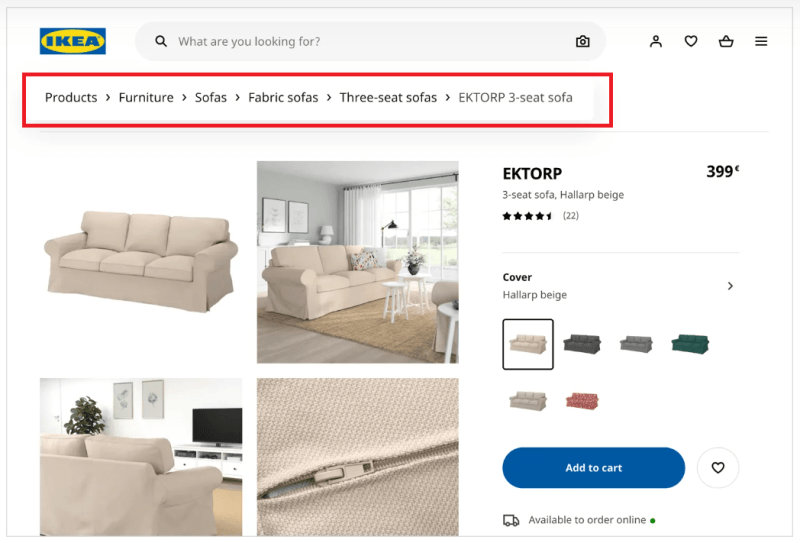
Consider Ikea, an eCommerce website that sells home goods, from furniture to kitchenware. An intuitive navigation path will look like this:
- Homepage: Features a clear menu bar at the top with broad product categories like ‘Furniture’, ‘Kitchenware’, ‘Home Decor’, ‘Sales’, and ‘New Arrivals’.
- Drop-down Menus: Hovering over ‘Furniture’ reveals a drop-down with sub-categories like ‘Living Room’, ‘Bedroom’, ‘Dining’, and ‘Outdoor’.
- Sub-category Pages: Clicking on ‘Living Room’ leads to a page with further breakdowns, like ‘Sofas’, ‘Coffee Tables’, ‘Shelves’, and ‘Chairs’.
- Product Pages: Clicking on ‘Sofas’ would display individual product listings. Each product listing is clickable and links to a detailed product page with descriptions, reviews, and purchase options.
- Search Bar: Located prominently at the top, allowing users who have a specific item in mind to bypass the navigation path and go straight to the product.
- Breadcrumbs: As users delve deeper, breadcrumbs appear near the top, showing the path they’ve taken. For instance, “Home > Furniture > Living Room > Sofas”. This allows for easy backtracking.
- Footer Navigation: At the bottom of the page, there are links to other essential areas like ‘About Us’, ‘Contact’, ‘Return Policy’, and ‘FAQs’.
7. Optimize Category Pages (PLPs) for Better Product Discovery
Many store owners think product discovery happens mostly through the search bar — but in reality, category pages (PLPs) do the heavy lifting. This is where shoppers browse, compare, and narrow down choices before they ever open a product page.
If your PLPs feel cluttered, slow, or overwhelming, customers end up stuck in “scroll mode” and leave without making a decision. But when category pages are structured correctly, they act like a guided shopping assistant: they help users filter faster, compare options easier, and reach the right product with fewer clicks.
To improve product discovery on PLPs, focus on five practical upgrades:
- Put the most valuable items first. Pin bestsellers, popular products, or high-margin items at the top — not randomly, but based on business goals and customer intent.
- Use smart sorting that matches real shopping behavior. Give shoppers options like Best match, Popularity, New arrivals, Price, and Rating so they can control how they explore the catalog.
- Make product cards more informative. Add quick-view, color swatches, and comparison features to reduce extra clicks and help customers evaluate products faster.
- Highlight decision-making details early. Delivery speed, stock availability, return policy, and key attributes shouldn’t be hidden on the product page — they should be visible right in the listing.
- Avoid endless scrolling traps. If your catalog is large, improve pagination or loading logic so browsing stays fast and doesn’t overwhelm users.
Done right, a strong category page becomes a real product discovery tool — not just a list of items. It helps shoppers stay in control, find relevant products faster, and move from browsing to buying with less friction.
8. Improve Mobile Product Discovery
Mobile optimization for eCommerce is no longer just a nice addition but an absolute necessity. Mobile shopping continues to dominate, and for many stores, smartphones already drive the majority of traffic and a large share of purchases. The rise in mobile shopping is undeniable, with approximately 76% of U.S. consumers preferring to shop via their smartphones over computers. Responsive design makes sure your site looks and functions perfectly, regardless of the device, be it a desktop, tablet, or phone.
Imagine a prospective customer accessing an online store on a smartphone only to find the search functionality hectic or ill-fitting to their screen. The frustration this causes will easily push them to abandon their cart or, worse, shift their loyalty to a competitor with a more mobile-friendly interface.
Great mobile search recognizes these intricacies. It prioritizes responsiveness, ensuring that regardless of whether a shopper is using a compact smartphone or a larger one, the search experience stays consistent, user-friendly, and efficient.
For mobile discovery, use a thumb-friendly UI with sticky filters and sticky sorting controls, so shoppers can refine results without scrolling back to the top. Combine this with fast-loading product listings to reduce friction and keep users moving toward the right product faster.
Expert Advice:
Mobile users expect lightning-fast load times. Your page loading speed should be ideally 0-2 seconds. If the page load time goes from 1 second to 10 seconds, the chances of a mobile site visitor bouncing increases by 123%. Website testing tools like Google’s PageSpeed Insights will pinpoint areas of improvement for mobile sites.
Conclusion
Perfecting the eCommerce product discovery experience will be the turning point in your digital journey, transforming curious browsers into loyal customers.
Ask yourself: How monumental would the shift be if every visitor on your platform felt their desires are anticipated and effortlessly met? It’s about creating a space where discovery isn’t a task, but a delightful shopping journey.
Quick recap: Start with search and filters, then improve product data and recommendations.
Next, optimize mobile speed and navigation to remove friction.
Finally, measure and iterate based on real search behavior and customer feedback.
However, we’re in an era where being faster than your competitors equates to winning, and lagging means missing out on a goldmine of opportunities. Getting your online platform up and running swiftly is not just an advantage but a necessity.
If you’re eager to outpace competitors and create a standout online marketplace, head towards CS-Cart. As the renowned platform for swift marketplace creation, we understand that speed is the currency of today’s eCommerce landscape.
With CS-Cart, you don’t just get a marketplace platform; you get the promise of reduced time-to-market, so while others are still planning, you’re already selling.
All CS-Cart Products and Services
- ★ CS-Cart Multi-Vendor: free online demo
- ★ CS-Cart Store Builder: free online demo
- ★ Mobile App: App Store, Google Play
- ★ Cloud Hosting: why it’s the best for CS-Cart
- ★ Customer Care: why it’s more than just a tech support
- ★ Upgrade subscription: select and reactivate